
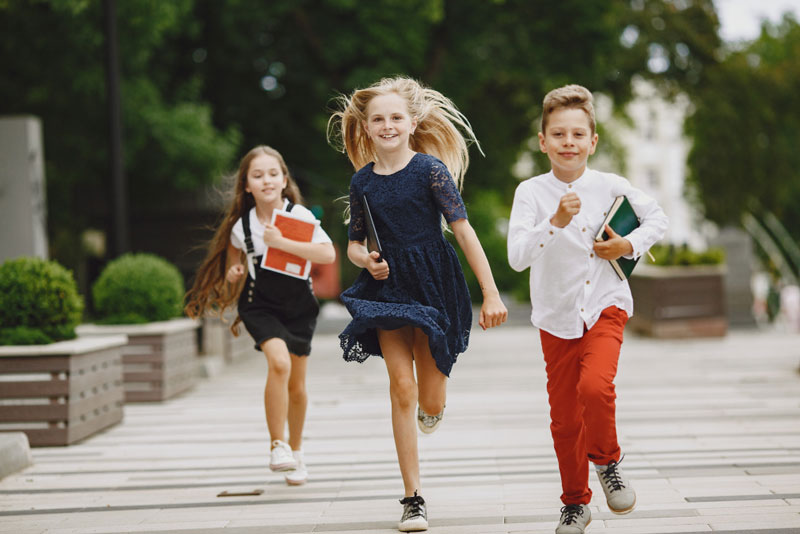
The Lifelong Impact of Childhood Friendships on Confidence and Emotional Health
Friendships formed in early childhood are far more than playground companions or shared toys. These early relationships lay the emotional and social blueprint for how a child connects with others for the rest of their life. From confidence and empathy to communication and resilience, childhood friendships shape who a child becomes as a teenager, an adult, and a member of their community.
At Linky Littlies, we witness the power of these early connections every day. Through safe, reliable transport to early learning and social programs, we help children show up consistently to the places where friendships grow.
Why Childhood Friendships Matter More Than Most Parents Realise
Many parents naturally focus on education, routines, and safety in the early years — all critical foundations. But friendships are just as essential. Through peer relationships, children learn:
- How to express emotions
- How to manage conflict
- How to share and cooperate
- How to feel seen and valued
- How to build trust
According to the World Health Organization, positive peer relationships in early childhood significantly support long-term mental health, emotional regulation, and social confidence. These early interactions directly influence how children cope with stress, relationships, and life challenges later on.
In short, friendships help wire the emotional brain.
How Friendships Build Emotional Intelligence
Emotional intelligence is the ability to understand, manage, and express emotions in healthy ways. Childhood friendships are one of the most powerful training grounds for this skill.
Through daily interaction with peers, children learn to:
- Recognise emotions in others
- Understand their own emotional responses
- Respond with empathy
- Navigate disappointment
- Experience joy through connection
Children who regularly engage in social friendships develop stronger emotional awareness and adaptability. These skills later translate into stronger romantic relationships, friendships, workplace dynamics, and leadership abilities.
Confidence Is Built Through Belonging
Confidence doesn’t come from praise alone. It grows through belonging.
When children feel accepted by peers, they begin to develop:
- A positive self-image
- Trust in their abilities
- Willingness to try new things
- Reduced social anxiety
- Greater independence
Friendships give children a sense of identity outside the family unit. They learn that they are valued not just because they are someone’s child, but because they are a friend.
Research from the Australian Institute of Family Studies shows that children with strong peer connections demonstrate higher self-esteem and emotional resilience throughout schooling and adolescence.
Learning Conflict Resolution Through Real Experience
Conflict is unavoidable in friendships — and that is a good thing. Small disagreements teach children how to:
- Express boundaries
- Listen to others
- Compromise
- Apologise
- Repair relationships
These are not skills learned through instruction alone. They develop through real-time emotional experiences with peers.
Children who practise healthy conflict resolution early are less likely to experience social anxiety, aggression, or withdrawal later in life. They learn that conflict does not equal rejection — it is simply part of human connection.
Friendships and School Readiness
One of the strongest predictors of school success is not academic ability — it is social readiness.
Children who have experienced friendships before school are better equipped to:
- Adapt to group learning
- Follow classroom routines
- Ask for help
- Work collaboratively
- Manage transitions
According to the Raising Children Network Australia, children who enter school with strong social skills demonstrate higher levels of engagement, confidence, and long-term academic participation.
School is not just a learning environment. It is a social ecosystem. Friendships prepare children to thrive within it.
The Role of Routine in Supporting Friendships
Friendships grow through consistency. Regular attendance at early learning centres, social programs, and outings allows children to:
- Recognise familiar faces
- Build trust over time
- Deepen emotional bonds
- Develop a sense of belonging
When children’s attendance is disrupted by transport challenges or scheduling barriers, their friendships can struggle to form or sustain. Reliable transport plays an often-overlooked role in helping children consistently show up to the environments where friendship grows.
How Transport Accessibility Supports Social Development
For many families, access to consistent transport is the key that unlocks their child’s ability to fully participate in social life.
Child transport services help by:
- Removing distance barriers
- Supporting working families
- Ensuring reliable attendance
- Reducing daily stress
- Keeping social routines stable
This consistency allows friendships to flourish naturally. Children feel secure knowing they will see their friends regularly. That predictability creates emotional safety.
The Long-Term Impact of Early Friendships into Adulthood
The influence of childhood friendships extends far beyond the preschool years. Adults who experienced positive peer relationships early in life are more likely to demonstrate:
- Strong communication skills
- Healthy boundaries
- Emotional resilience
- Lower levels of anxiety and depression
- Greater relationship stability
Long-term studies referenced by the World Health Organization indicate that early social connection is a key protective factor against mental health challenges in adolescence and adulthood.
In simple terms: friendships formed in childhood shape emotional health for life.
When Children Struggle to Make Friends
Not every child forms friendships easily. Some children are naturally shy, sensitive, or cautious in new social environments. This is where consistent exposure to safe, structured social settings becomes even more critical.
Regular attendance allows children to:
- Build trust gradually
- Develop social confidence at their own pace
- Observe peer behaviour safely
- Feel secure through routine
With patience and consistency, even the most reserved children can grow into confident, socially capable individuals.
How Linky Littlies Supports Social Connection
At Linky Littlies, we understand that transport is not just about getting children from point A to point B. It is about unlocking access to friendships, social confidence, and emotional growth.
Our services support:
- Consistent attendance at early learning programs
- Safe and supervised travel
- Reduced stress for families
- Stable routines for children
- Continued connection with peers
By providing reliable child transport, we help remove one of the most common barriers to early friendship development.
Every journey supports more than mobility — it supports emotional connection.
Final Thoughts for Parents
Childhood friendships are not just sweet moments captured in photos. They are powerful emotional training grounds that shape:
- Confidence
- Empathy
- Communication
- Resilience
- Mental health
- Relationship skills
When children feel safe to form friendships, they build the emotional foundations that carry them through life.
If your family needs safe, reliable child transport to support your child’s early learning and friendships, Linky Littlies is here to help. Get in touch today and help your child stay connected, confident, and socially supported through every stage of early development